Privacy & Policy
Is End-to-End Encryption Safe? The Real Risks and Limits
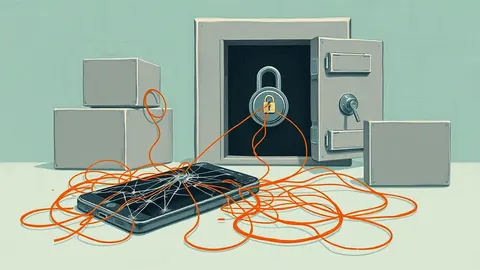
Encryption protects data in transit, but compromised devices and weak metadata handling expose your secrets regardless of how strong the cryptographic keys are.
Privacy & Policy coverage from Vector Tribune holds 11 articles, 11 of them reference guides. The newest was published on October 12, 2026. New stories are added as soon as they are confirmed, from more than 150 sources checked as often as every 45 seconds. Each story lists its sources. Primary sources we follow for this section include FTC: Privacy and Security and EFF: Surveillance Self-Defense.
Encryption protects data in transit, but compromised devices and weak metadata handling expose your secrets regardless of how strong the cryptographic keys are.

Deleting cookies does not stop tracking because modern sites use server-side fingerprinting and local storage to rebuild your profile instantly.

Silent data flows and buried opt-outs invalidate consent, turning your privacy program into a liability rather than a shield against regulatory action.

Blocking trackers reduces your digital footprint but can break site functionality and mask your true browsing habits from security tools.
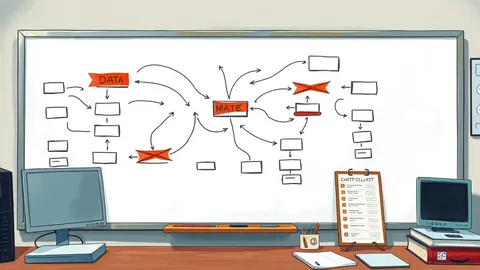
Compliance is not a one-time setup but a continuous mapping of data flow, where the cost of inaction often exceeds the cost of implementation.

Parental controls do not inspect content; they match traffic against static lists and block connections before the browser can render the page.

Built-in privacy controls reduce background data collection, but they cannot stop apps from inferring sensitive traits through behavioral patterns and usage timing.

Email aliases decouple your primary address from online services, allowing you to revoke access to specific sites without changing your main account credentials.

Compliance requires more than age gates; it demands a fundamental redesign of data collection architectures to prevent tracking before consent occurs.

Open networks remove the barrier between you and strangers, allowing anyone nearby to read your unencrypted traffic without your knowledge or consent.

Shared vaults create a single point of failure where one compromised account can expose the entire household's digital identity and financial data.