
Cloud Security
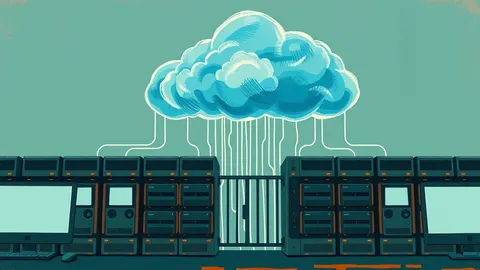
Three Yandex Cloud Data Centers Down After Drone Strikes in Russia
Physical damage from drone attacks has disabled two facilities and impaired a third, causing widespread outages for cloud services and storage users.
Cloud Security coverage from Vector Tribune holds 8 articles, 7 of them reference guides. The newest was published on October 13, 2026. New stories are added as soon as they are confirmed, from more than 150 sources checked as often as every 45 seconds. Each story lists its sources. Primary sources we follow for this section include Cloud Security Alliance and CIS Benchmarks.
Physical damage from drone attacks has disabled two facilities and impaired a third, causing widespread outages for cloud services and storage users.

Logging records discrete events for forensic analysis, while monitoring aggregates those events to detect systemic anomalies and trigger automated responses.

Cryptojacking often hides in plain sight by mimicking legitimate background processes and exploiting shared kernel resources across containers.

Container escape occurs when an attacker bypasses isolation boundaries to access the host kernel, turning a confined process into a privileged system administrator.

Metadata services often expose credentials without network access, making local code execution the primary attack vector rather than external network scanning.

Most cloud recovery plans fail because they assume network access and permissions survive the outage, leaving critical systems unreachable when needed most.
Most SaaS leaks occur through authorized integrations that behave normally, making them invisible to standard perimeter defenses and traditional audit logs.

Most cloud breaches fail because teams patch the code before isolating the compromised credentials, allowing attackers to persist through secondary access tokens.