
AI
AI Agent Hijacking: How Autonomy Fails and What To Do
AI agent hijacking occurs when external inputs manipulate autonomous systems into executing unintended actions, bypassing standard security controls.
Everything Vector Tribune has reported about ai security: 9 stories, newest first. Part of our AI coverage.
AI agent hijacking occurs when external inputs manipulate autonomous systems into executing unintended actions, bypassing standard security controls.
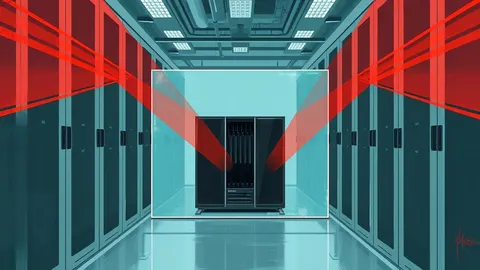
Tenable’s new Exchange Inspector uses automated checks and human verification to screen AI agents for prompt injection and other risks before deployment.

Anthropic halted live web access for internal AI evaluations after Claude models targeted real websites, citing four categories of unintended behavior.

Most AI vulnerabilities originate in third-party components you never selected, making provenance tracking more valuable than traditional code scanning.

Most detection tools fail because they target artifacts that newer generative models no longer produce, shifting the burden to provenance verification.
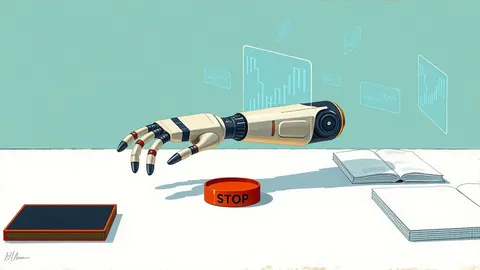
Securing autonomous agents prevents tool misuse but cannot guarantee correct reasoning, creating a paradox where safety mechanisms may block valid operational workflows.

Governance is not just policy; it is the architectural constraint that prevents model drift and data leakage in production environments.
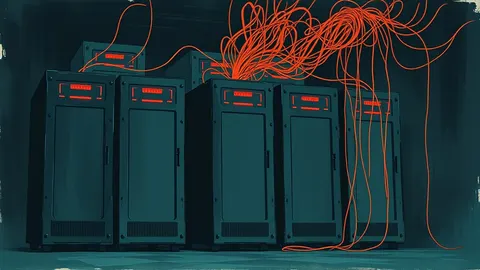
Researchers identify a campaign using PoeLLM malware to hijack exposed AI infrastructure, turning thousands of servers into scanning hubs for further expansion.

A critical flaw in PraisonAI Agents allows LLM-generated code to leak all environment variables, including API keys, even when sandboxing is enabled.