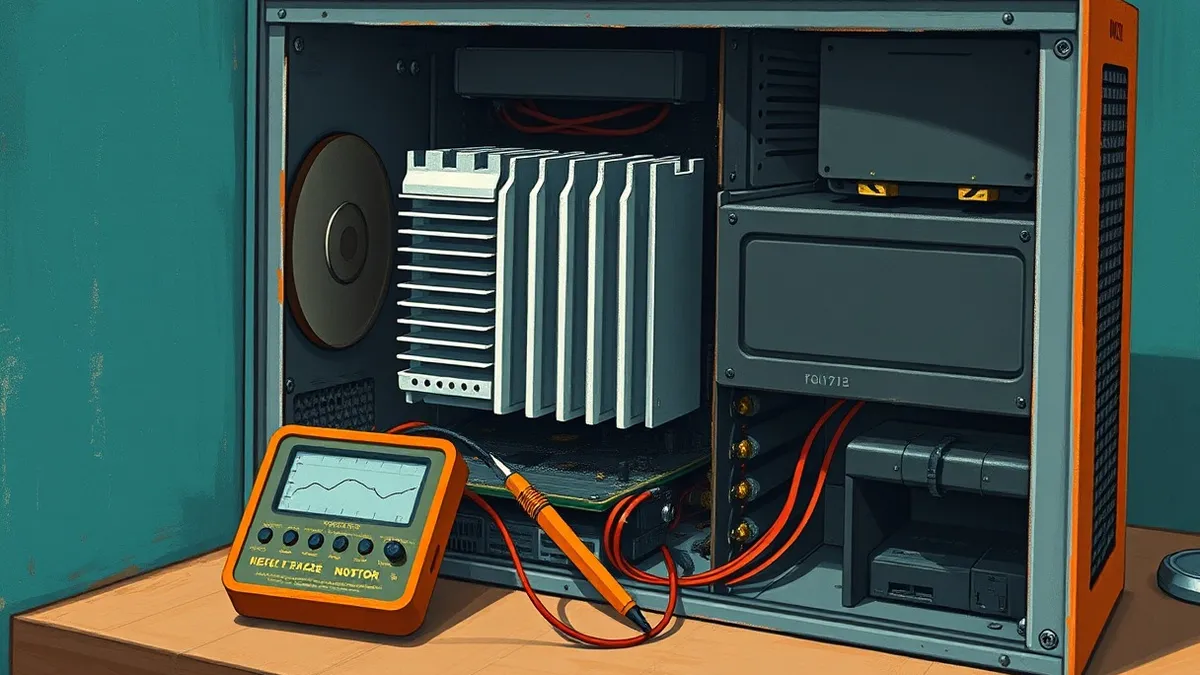
Manual CPU Overclocking Yields Diminishing Returns on Modern Processors
Automated features and tighter factory margins reduce the performance benefit of manual clock speed adjustments on current chips, according to Engadget.
Key points
- Modern CPUs use automated algorithms to exceed advertised speeds, reducing the need for manual tuning.
- AMD Ryzen Precision Boost Overdrive adjusts power limits based on thermal headroom automatically.
- Traditional overclocking popularity has declined as factory settings leave less performance headroom.
Manual overclocking of central processing units is no longer a primary method for gaining performance on modern hardware, according to a report by Engadget. The outlet notes that the performance increases achieved through traditional manual tuning are not as noteworthy as they were in previous generations. This shift reflects changes in processor design and motherboard features that automate speed boosts, diminishing the utility of user-led adjustments for achieving higher clock speeds.
The risk
The primary issue for users seeking maximum performance is that manual overclocking offers minimal advantage over default settings on current chips. Engadget reports that modern processors and motherboards include features that push clock speeds beyond advertised capabilities automatically when workloads demand it. Older processors relied on fixed base and maximum boost frequencies, but modern spec sheets are less definitive because these automated systems handle the optimization. This reduces the predictability of manual gains.
Who is exposed
PC enthusiasts and users of modern AMD Ryzen processors are most directly affected by this shift in hardware behavior. The source material specifies that many AMD Ryzen CPUs include Precision Boost Overdrive, which automatically raises power and current limits. This feature utilizes an algorithm to detect thermal headroom, allowing the chip to sustain higher frequencies across more cores without manual intervention. Traditional overclocking methods have largely given way to these automated, hands-off approaches on such hardware.
Cost and compliance
The source material does not provide specific financial costs, compliance requirements, or vendor statements regarding penalties for manual overclocking. It focuses solely on the technical aspects of performance gains and the decline in popularity of the practice. Engadget notes that the hardware modding community is smaller than it was in the 2000s and 2010s, but it does not attribute this to regulatory or cost factors. Therefore, no cost or compliance risks can be confirmed from the available information.
What should you do?
Review motherboard BIOS settings for features like Multi-Core Enhancement or Enhanced Turbo, which algorithmically push speeds past defaults. Check if your AMD Ryzen processor supports Precision Boost Overdrive and enable it to allow automatic adjustments based on thermal conditions. Avoid spending significant time on manual voltage and frequency tuning, as automated features likely provide comparable or superior performance stability.
What to do and how to stay safe: AMD
- Verify if your motherboard BIOS includes automated overclocking features like Multi-Core Enhancement and enable them if seeking higher performance.
- Check for Precision Boost Overdrive support on AMD Ryzen processors and configure it to utilize available thermal headroom automatically.
- Monitor CPU temperatures when using automated boost features to ensure the system maintains adequate cooling for sustained high frequencies.
- Review current benchmark results with default settings before attempting manual tuning, as factory defaults often leave little performance headroom.
Step-by-step guide: Mobile Security Architecture: 8 Practices for Device Integrity
General security guidance from the Vector Tribune newsroom. It is not confirmed advice from the organisations named in this story.
Frequently asked questions
Why are performance gains from manual overclocking lower now?
Modern CPUs are designed to leave less performance headroom, and automated features already push speeds beyond advertised limits.
What feature replaces manual overclocking on AMD Ryzen chips?
Precision Boost Overdrive uses algorithms to automatically raise power limits based on thermal headroom.
Is manual overclocking completely obsolete?
It is still technically possible, but traditional methods have given way to automated approaches that reduce guesswork.