Tesla Plans Cybercab Expansion to Dallas and Other US Cities This Year
Tesla aims to launch its gold two-seater robotaxis in new US markets, challenging Waymo’s lead while keeping revenue details vague until 2027.
Key points
- Tesla will begin Cybercab operations in Dallas next month, expanding to other cities by year-end.
- The company will sell Cybercabs to fleet operators later this year, aiming to undercut competitors on price.
- Tesla changed its shareholder reporting metric from paid miles to unsupervised miles, obscuring revenue visibility.
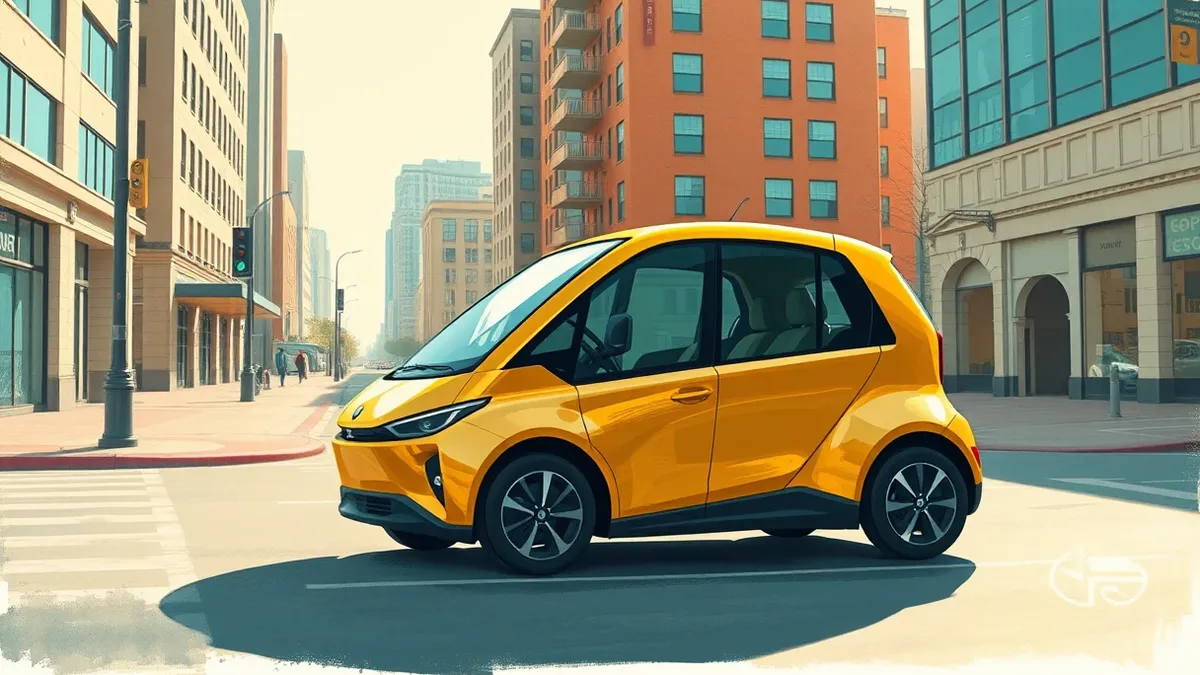
Tesla is preparing to launch its gold two-seater Cybercab in new US markets, starting with Dallas next month and expanding to other cities by the end of this year, according to TechCrunch.
The background in plain language
Robotaxis are self-driving vehicles that transport passengers without a human driver. Companies track progress using metrics like total miles driven or paid rides completed. Shifting from paid to unsupervised miles hides revenue performance. Understanding these metrics helps assess whether a service is profitable or just testing technology at scale.
Who is exposed
The immediate expansion targets Dallas, where Tesla already operates small fleets of Model Y robotaxis. TechCrunch reports that Tesla also runs robotaxi services in Houston, Miami, Orlando, and Tampa. The company plans to sell Cybercabs to fleet operators by the end of this year, broadening the potential user base beyond direct Tesla customers.
Cost and compliance
Tesla argues its Cybercab is cheaper and easier to build than competitors’ vehicles, allowing it to undercut prices. However, CEO Elon Musk stated the ride-hailing business will not significantly impact financial figures until the second quarter of 2027. TechCrunch notes Tesla was silent on current robotaxi revenue during the earnings call.
What should you do?
Monitor Tesla’s quarterly reports for changes in how robotaxi mileage is reported, as the company recently switched from tracking paid miles to unsupervised miles. Watch for official announcements regarding fleet operator sales and city-specific launch dates to understand market expansion pace.
The risk
Tesla executives stated on the third-quarter earnings call that the company intends to “literally take over every part of terrestrial transportation,” Chief Financial Officer Vaibhav Taneja said. This aggressive expansion sets up direct competition with Waymo, which currently leads the US robotaxi market with over 4,000 vehicles deployed across more than a dozen cities.
What to do and how to stay safe: Tesla
- Review Tesla’s latest shareholder letters to see how robotaxi performance metrics are defined and reported.
- Track local transportation authority approvals for autonomous vehicle operations in your city.
- Compare robotaxi service availability and pricing against established competitors like Waymo.
- Monitor earnings calls for updates on fleet size and revenue contributions from autonomous services.
Step-by-step guide: Browser security settings are the architectural walls of your digital life
General security guidance from the Vector Tribune newsroom. It is not confirmed advice from the organisations named in this story.
Frequently asked questions
When will Tesla launch Cybercabs in Dallas?
Tesla plans to begin Cybercab operations in Dallas next month, according to TechCrunch.
How many robotaxis does Waymo have deployed?
Waymo has more than 4,000 robotaxis deployed across more than a dozen US cities.
When will robotaxi revenue significantly impact Tesla’s finances?
Elon Musk stated the business will not be noticeable in financial figures until the second quarter of 2027.