How Huntress SOC Analyst Sarah Reddish Builds Attack Timelines for Safe System Restoration
A Huntress SOC analyst explains how she turns ambiguous security incidents into clear, practical guidance for partners to restore systems safely.
Key points
- Sarah Reddish works in Huntress’ global SOC, focusing on triage and analysis of suspicious activity.
- She translates complex technical findings into clear reports with easy-to-follow remediation steps.
- Her role involves investigating intrusions, building attack timelines, and helping partners respond confidently.
Sarah Reddish works as a Security Operations Analyst for Huntress, where she investigates security incidents and translates complex technical findings into clear, actionable guidance for partners. According to Huntress, her role in the global Security Operations Center goes beyond simple monitoring. She researches suspicious activity and intrusions to determine what happened and what matters for each partner environment.
The risk
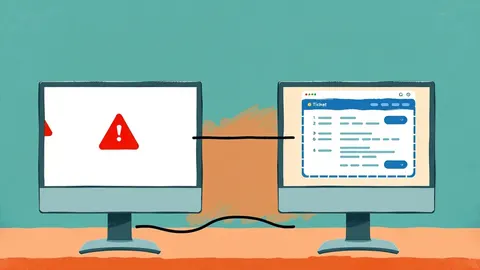
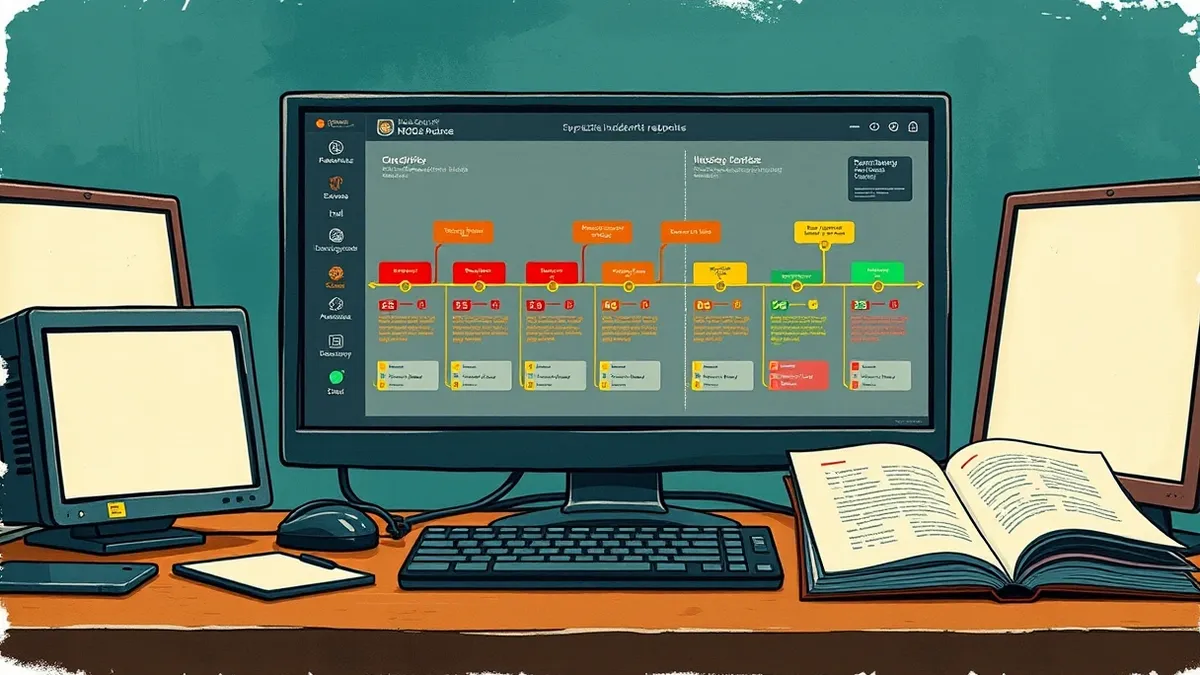
Reddish faces threats that are often complex and ambiguous. In one investigation detailed by Huntress, she traced a fake browser-verification prompt that instructed a user to run a command. She separated observed activity from confirmed facts to build an accurate attack timeline. This process helps partners understand the specific risk and scope of the intrusion, allowing them to respond with confidence rather than confusion.
Who is exposed
The source material indicates that Reddish protects a broad range of partner environments at scale. She collaborates across regions to support global SOC continuity. Her work helps disrupt malicious activity and improve security for many partners simultaneously. The specific industries or sizes of these partners are not detailed in the provided text, but the scope is described as global and extensive.
Cost and compliance
The source material does not provide specific financial costs or compliance implications associated with the incidents Reddish investigates. It focuses on the operational aspect of her work, such as containment and recovery. The text emphasizes the value of clear reporting for partner peace of mind and data protection, but does not cite regulatory fines or direct monetary losses.
What should you do?
Managers should ensure their teams have clear, easy-to-follow remediation guidance when incidents occur. They should prioritize investigations that separate observed activity from confirmed facts to avoid confusion. Teams should also build attack timelines to understand the full scope of an intrusion before attempting recovery steps.
The background in plain language
Security Operations Centers monitor networks for signs of trouble. When an alert triggers, analysts must determine if it is a false alarm or a real breach. This process, called triage, involves gathering clues to understand what happened. Analysts then create a timeline of the attack to see how far it spread. Finally, they write clear instructions for fixing the problem. This guidance helps non-technical staff understand the risk and take the right steps to secure their systems without causing further damage.
What to do and how to stay safe: Huntress
- Verify the source of any software update prompts to ensure they are legitimate and not malicious pop-ups.
- Review recent system commands to identify any unauthorized actions taken by users or scripts.
- Isolate affected systems from the network to prevent potential lateral movement of threats.
- Wait for official vendor updates or analyst guidance before applying fixes to avoid breaking systems.
Step-by-step guide: Mobile Security Architecture: 8 Practices for Device Integrity
General security guidance from the Vector Tribune newsroom. It is not confirmed advice from the organisations named in this story.
Frequently asked questions
What does Sarah Reddish do at Huntress?
She is a SOC analyst who investigates security threats and translates complex findings into clear remediation steps for partners.
How does she handle ambiguous threats?
She separates observed activity from confirmed facts and builds attack timelines to create practical containment and recovery steps.
What advice does she give to aspiring analysts?
She advises them to stay curious, think critically, and keep learning while working alongside a talented global team.