Apple’s Second-Party HomeKit Gear Gets Exclusive iPhone Access
Leaked details show new co-developed smart home accessories will feature an iPhone-only capability not available to standard third-party devices.
Key points
- Apple plans to showcase co-developed smart home accessories as early as next week.
- A recent leak reveals these “second-party” devices get an exclusive HomeKit feature.
- This specific capability is restricted to iPhone users and not available on other platforms.
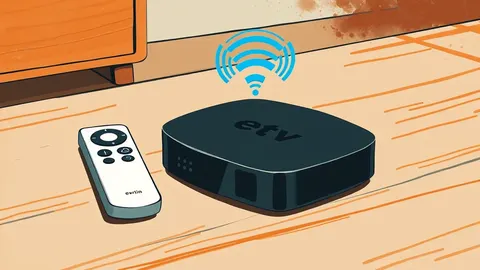
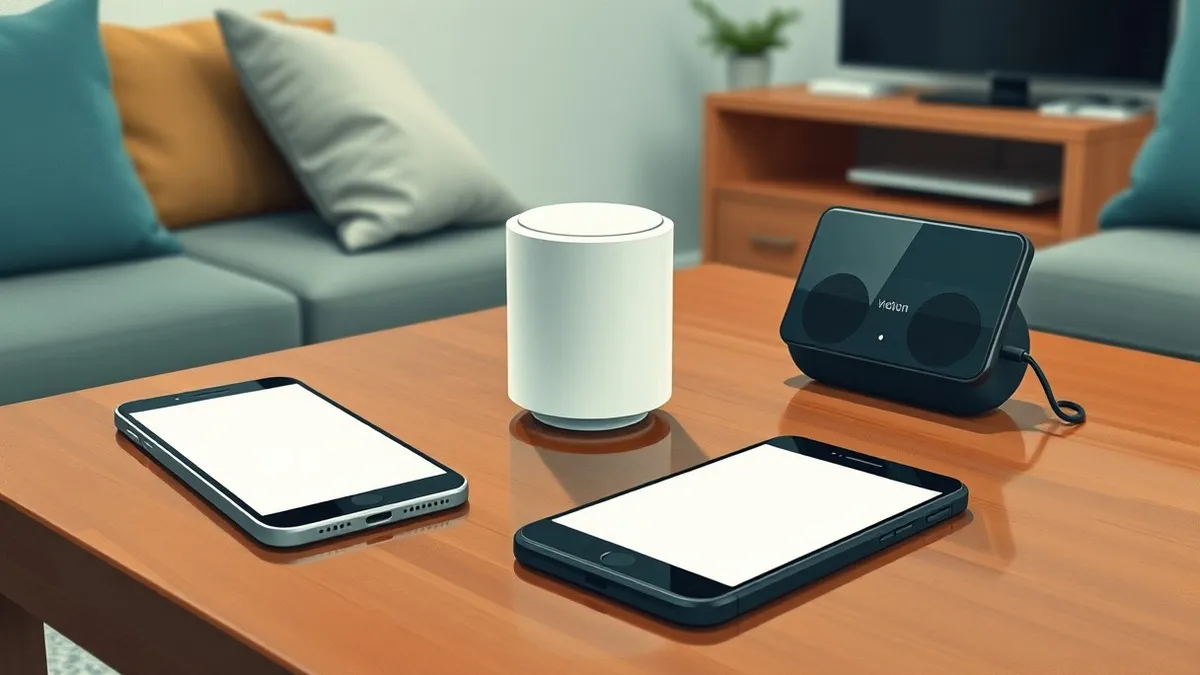
Apple is preparing to introduce a new tier of smart home hardware that sits between its own products and independent third-party devices. According to a report by 9to5Mac, the company could showcase these co-developed accessories as soon as next week. These items are classified as “second-party” products, indicating a closer partnership than standard vendor relationships.
The risk
The primary security implication involves fragmented feature sets within the HomeKit ecosystem. A leak reported by 9to5Mac reveals that these new accessories will include a HomeKit feature exclusive to them. This creates a divergence in functionality where not all HomeKit-certified devices operate identically. Security teams must account for varying permission models and data access levels when integrating these new devices into enterprise or home networks.
Who is exposed
This development affects Apple ecosystem users who plan to adopt the new smart home hardware. The exclusive feature is tied specifically to iPhone functionality. Users relying on iPad, Mac, or Apple Watch for home automation control will not have access to this specific capability. The distinction matters for unified management strategies that assume parity across all Apple devices controlling HomeKit accessories.
Cost and compliance
There is no direct financial cost associated with the leak itself, as it concerns upcoming product features. However, the introduction of a “second-party” tier may influence procurement decisions for organizations standardizing on HomeKit. Compliance teams should note that feature exclusivity does not necessarily imply a change in baseline security certifications, but it does alter the user experience. The timeline suggests a public reveal could occur within days.
What should you do?
Security managers should monitor official announcements to understand the exact technical boundaries of the new exclusive feature. Review current HomeKit integration policies to ensure they accommodate devices with limited cross-platform support. Prepare internal documentation that distinguishes between standard third-party devices and these new co-developed products. This clarity will help support teams troubleshoot access issues that may arise from the iPhone-only restriction.
What to do and how to stay safe: Apple
- Inventory existing HomeKit devices to identify which ones rely on cross-platform control features.
- Review vendor contracts for upcoming hardware to understand the definition of “second-party” status.
- Update network segmentation rules to isolate new smart home devices from critical IT infrastructure.
- Wait for official vendor documentation before deploying the new accessories in managed environments.
Step-by-step guide: Mobile Security Architecture: 8 Practices for Device Integrity
General security guidance from the Vector Tribune newsroom. It is not confirmed advice from the organisations named in this story.
Frequently asked questions
What are second-party HomeKit products?
These are smart home accessories co-developed by Apple and a partner, sitting between Apple’s own hardware and standard third-party devices.
When will Apple showcase these new products?
According to 9to5Mac, Apple could showcase the new co-developed smart home accessories as soon as next week.
Is the exclusive feature available on all Apple devices?
No, the leak indicates the exclusive HomeKit feature is tied specifically to iPhone functionality and is not available on other platforms.