Anthropic: AI and robots can technically do 81% of US tasks, but are cheaper for only 0.3%
Research finds AI and robotics can technically perform most American jobs, though economic viability remains extremely limited for the vast majority of tasks.
Key points
- AI models alone cover about half of all work tasks in the US economy.
- Adding robotics increases the technical exposure to approximately 81% of tasks.
- Robots are currently cheaper than human labor for only 0.3% of tasks.
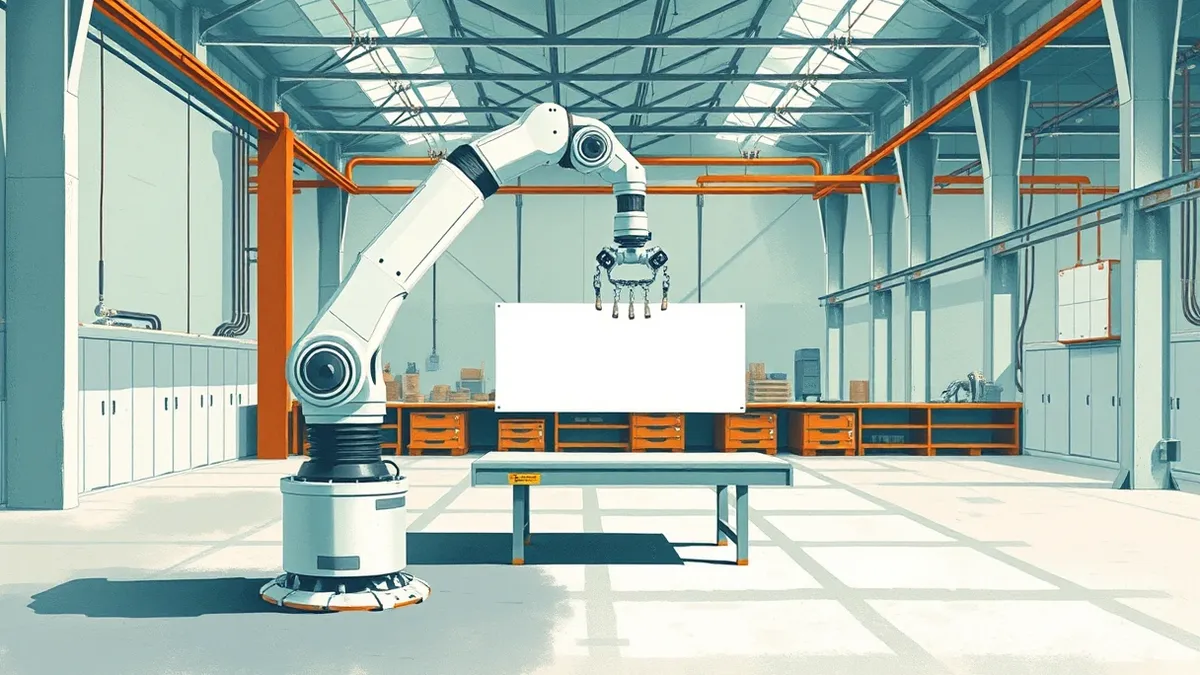
Anthropic’s new robotics study indicates that artificial intelligence and physical robots combined could technically perform about 80% of the work Americans do, according to The Next Web. This finding extends the company’s earlier research on how AI chatbots affect employment, adding a physical dimension to the analysis of job automation potential.
The risk
The study reveals that AI models alone reach about half of all work tasks, but adding robots pushes that exposure to roughly 81%. The two technologies target very different sectors. While chatbots typically impact office-based roles, robots reach physical, lower-paid jobs that chatbots miss. This creates a broader scope of automation risk than software-only analyses suggest.
Who is exposed
In the transport sector, fewer than 15% of tasks are exposed to AI models alone, but that figure jumps to about 90% when robots are included. Nine of the ten most exposed jobs are vehicle drivers, with taxi drivers leading the list. Robots can technically handle about 74% of physical tasks, though most of these applications currently require tightly controlled settings like assembly lines.
Cost and compliance
Economic viability remains a significant barrier. About 300,000 US workers hold jobs where robots are already cheaper than human labor, mostly in packing and packaging roles. If robot prices fell by 20%, that number would rise to about 2.8 million workers. However, at past rates of price reduction, reaching 10% of tasks would take about 40 years, according to the study data.
What should you do?
Managers should review which physical tasks in their operations are currently performed by humans versus machines. Teams should assess whether current robotics solutions offer any cost advantage over existing labor for specific, repetitive tasks. Organizations should monitor industry trends for changes in hardware pricing that could shift the economic equation for automation.
The background in plain language
Automation analysis distinguishes between technical feasibility and economic viability. Technical feasibility asks whether a machine can physically perform a task, while economic viability determines if doing so is cheaper than hiring a human. Exposure metrics measure the former, not the latter. Teams usually evaluate both factors when planning workforce changes, ensuring that automation projects deliver actual cost savings rather than just theoretical capability.
What to do and how to stay safe: Anthropic
- Review current operational workflows to identify which physical tasks are technically automatable but currently uneconomical.
- Monitor vendor announcements for reductions in robotics hardware costs that could change the economic calculation.
- Assess whether existing staff roles involve repetitive physical motions that could eventually be mechanized as technology improves.
- Establish internal metrics to track the cost difference between human labor and robotic solutions for specific tasks.
Step-by-step guide: AI Governance Explained: Building Rules for Autonomous Systems
General security guidance from the Vector Tribune newsroom. It is not confirmed advice from the organisations named in this story.
Frequently asked questions
Does this study mean 80% of workers will lose their jobs?
No, Anthropic stresses that exposure does not mean job losses, and robots are cheaper than people for only 0.3% of tasks today.
Which jobs are most exposed to robot automation?
Vehicle drivers, led by taxi drivers, are among the most exposed, with transport tasks jumping to 90% exposure when robots are included.
How many workers are in jobs where robots are already cheaper?
About 300,000 US workers hold jobs where robots are already cheaper, mostly in packing and packaging roles.